Finish Line Dry Bike Lubricant is marketed as a high-performing dry-condition chain lube that goes on wet, then cures into a dry, wax-like synthetic film designed to stay slick without turning tacky.
What riders say at scale
User feedback broadly aligns with that positioning. The product is frequently cited at around 4.7 stars across 22,913 Amazon reviews, and the most common themes are quieter chains, cleaner drivetrains, and less gritty buildup on areas like jockey wheels. Those outcomes show up most consistently when riders stick to a clean-and-wipe routine rather than applying over old residue.
Key takeaways
Strong popularity signals: A 4.7-star average from 22,913 reviews suggests consistent real-world satisfaction in the conditions it targets.
Dry, wax-like film behavior: The cured film tends to shed dust and grit better than tackier lubes, helping reduce the “black paste” buildup common on drivetrains.
Best conditions: Strong fit for dry roads, hardpack, and dusty trails; wet or muddy riding can strip dry films sooner and may require more frequent reapplication.
Application is decisive: Use one small drop per roller/link, wipe outer plates, then let it set 5–15 minutes so the carrier flashes off and the film can cure.
Formulation intent:Synthetic oils with Teflon are aimed at low friction, crisp shifting, and a cleaner drivetrain with fewer touch-ups in dry weather.
Customer Ratings and Popularity
Finish Line Dry Bike Lube earns a 4.7-star rating across 22,913 customer reviews (Amazon). That kind of review volume matters because it helps reduce the impact of one-off complaints and better reflects consistent, real-world performance. Many riders also call it the best chain lube they’ve used (Amazon), which fits the goal of a dry-style formula designed to help grime and dust stick less.
What riders keep praising
A few themes show up repeatedly in the reviews (Amazon):
Finish Line Dry Bike Lube fits dry conditions because I can apply it as a liquid, then let it cure into a dry, wax-like synthetic film. That finish feels slick but doesn’t stay tacky, so loose dust and trail grit don’t cling as easily. I get a cleaner-looking chain, quieter running, and less black paste building up on jockey wheels.
How I apply it for the cleanest results
I keep performance high by treating lubrication like a process, not a quick splash. I use this approach:
I like how Finish Line Dry Bike Lube goes on cleanly without turning basic maintenance into a project. The nozzle gives tight control, so I can place a small drop on each roller instead of painting the whole chain. That keeps mess off the cassette and helps the lube do its job where friction actually happens.
My routine for quick, clean results
I follow a simple process that keeps application consistent and speeds up the dry time. Here’s what I do:
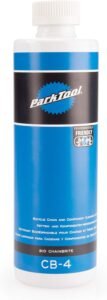
Degrease first if the chain looks dark or gritty, then wipe it dry. I’ll use something like Bio ChainBrite chain cleaner to reset the drivetrain.
Backpedal and add one drop per link, keeping the tip close to avoid overspray.
Spin the cranks for 20–30 seconds to work it in, then wipe the outer plates until they feel nearly dry.
Let it set a few minutes before riding so it doesn’t fling onto the frame or wheels.
Why fast drying matters in day-to-day maintenance
A quicker set time means I can lube right before a ride or after a wash without waiting around. It also encourages frequent top-ups, which usually beats running a chain too long and paying for it in wear.
I rely on Finish Line Dry Bike Lube when roads stay dusty and rain stays away. It sets up clean and resists that gritty paste effect that can come from heavier lubes in summer. For daily riders, that usually means fewer midweek touch-ups and a drivetrain that stays quieter.
How I Stretch a Week of Commuting
I get the best dry-weather longevity by treating lube as a process, not a splash-and-go. I use this routine to help it last through a week of commuting in dry conditions:
Degrease first so the lube can bond well; I pair it with ChainBrite chain cleaner before reapplying.
Apply one small drop per roller while backpedaling, then run the chain through the gears.
Let it dry for 5–10 minutes, then wipe the chain hard with a clean rag to remove surface residue.
Top off lightly midweek only if I hear squeaks or see dusty buildup.
In dry weather, I keep it simple: clean, apply sparingly, wipe thoroughly, then ride.
Finish Line Dry Bike Lube fits the kind of mixed riding I actually do: pavement during the week, dirt on the weekend, and plenty of “in-between” paths. Folks often describe it as Finish Line’s most popular and most versatile lubricant, and that tracks with how consistently it performs across typical conditions.
I get the best results by pairing lube choice with simple prep and realistic expectations: dry lubes run clean, but they still work best on a clean chain. I’ll usually start with a quick scrub using a biodegradable chain cleaner, then apply a light coat and wipe the outer plates.
Where it shines and how I use it
Here’s how I think about it across road and dirt:
Road rides: It keeps the drivetrain quieter and helps avoid that greasy film that attracts grit.
Hardpack and light dust: It resists grime buildup better than wet lubes, so shifting stays crisp longer.
Mixed routes: I’ll reapply after very long rides or after a really dusty stretch, since dryness trades some longevity for cleanliness.
Maintenance rhythm: A quick wipe-down between applications matters as much as the lube itself.
I rely on Finish Line Dry Bike Lube’s synthetic oils plus Teflon for a fast-feeling chain that stays smooth ride after ride. The formula goes on light, reduces drag, and keeps shifting crisp without turning my drivetrain into a sticky mess. I pair it with a good cleaning cycle so the lube can bond and last, like using Bio ChainBrite before reapplying.
How I get long-lasting slickness
I stick to a simple process for consistent results:
Degrease the chain, then let it fully dry.
Apply one drop per roller and backpedal to spread it.
Wait a few minutes, then wipe the outer plates clean.
Finish Line Dry Bike Lube earns its price by stretching each application further than many basic drip lubes. I see the value in two places: fewer touch-ups and less drivetrain mess. A dry lube that stays put means I buy less lube over a season and spend less time scrubbing black paste off parts.
Why the cost works out
A few usage habits make the bottle go further and keep the drivetrain cleaner:
I apply one small drop per roller, then backpedal to distribute it evenly.
I let it dry fully before riding, since that’s when it resists dirt best.
I wipe the chain outer plates after the lube so grit has less to cling to.
Cleaner running parts also slow down wear on cassettes and chainrings, which protects the bigger-ticket items in the drivetrain. I also like how predictable it feels: once I find my interval, performance stays consistent instead of dropping off mid-week.
Practical terms I use when choosing Finish Line Dry Bike Lube
I rely on a few core terms to judge whether a dry lube will keep my drivetrain quiet without turning into a grit magnet.
Here’s how I define the keywords and how they apply in real rides:
Dry lube: A low-tack lubricant that dries to a slick layer, so dust doesn’t stick as easily in dry conditions.
Bicycle chain lubricant: Any chain-focused formula that reduces friction and wear at the rollers and pins, not just on the outer plates.
Wax-like film: The dried coating that stays after the carrier evaporates. I look for a film that feels dry to the touch and doesn’t fling onto the frame.
Synthetic oils with Teflon: A blend that aims for low friction and a fast-drying finish. I use this phrasing to separate it from heavier wet lubes.
Chain stays clean: A practical outcome. I expect less black paste on the jockey wheels and less grime transfer to my hands.
Dry conditions: Hardpack, dust, and summer road spray. After rain, I re-apply sooner.
Road and off-road cycling: Road riders get cleanliness and quiet. Gravel and XC riders get better dirt rejection, especially after a proper degrease like chain cleaner.
Long lasting: I treat this as several rides, then I top off. Consistent light re-application beats over-lubing.
I’m a computer engineer, musician, cyclist, and dabbling in photography.
Some of the links in this article are "affiliate links", a link with a special tracking code. This means if you click on an affiliate link and purchase the item, we will receive an affiliate commission.The item's price is the same whether or not there is an affiliate link. Regardless, we only recommend products or services we believe will add value to our readers.By using our affiliate links, you help support our Website, and we genuinely appreciate it.