
Finish Line Ceramic Wax Bicycle Chain Lube (4 fl oz) is a strong choice if your priority is a clean, quiet drivetrain in dry, dusty conditions, and you’re willing to follow a disciplined prep-and-application routine that lets the coating fully set.
Key takeaways
- Best use case: Excels on dry, dusty roads and trails, where it can keep the chain looking cleaner and shifting more crisply than many oilier “wet” lubes.
- What it is: A wax-based lube with a ceramic (nano boron nitride) + fluoropolymer film designed to leave a low-friction coating—especially when applied to a truly clean chain.
- Prep matters: Performance gains usually come from degreasing thoroughly, drying completely, applying thin coats, allowing a cure, then wiping the outer plates hard to reduce grime pickup.
- Wet limitations: Light damp rides can be fine, but heavy rain and stream crossings often mean a full clean-and-relube reset.
- Nozzle clogging: A frequent complaint; wiping the tip, storing upright, and keeping the bottle away from a dirty drivetrain helps reduce clogs.
Why it works best in dry/dusty conditions
The wax base tends to leave less oily residue on the outside of the chain, which can reduce how much dust sticks. The ceramic/fluoropolymer component is intended to form a low-friction boundary layer, but it generally rewards riders who keep the chain very clean and avoid over-application.
Application approach that matches your “thin coats + full cure” view
1) Prep (where most of the benefit comes from)
Start with a chain that’s genuinely free of old oil and grime. Any leftover oily film can prevent the wax/coating from bonding as intended and can turn the mix into a dirt magnet.
2) Apply sparingly
Use one drop per roller, rotate the cranks to distribute, and avoid flooding the side plates. With wax-style lubes, extra product on the outside rarely improves lubrication and often increases dirt pickup.
3) Let it cure, then wipe aggressively
Give it a short set time (and longer if conditions allow), then wipe the chain’s outer plates firmly. The goal is to leave lubrication in the rollers/pins while removing anything on the exterior that can attract grit.
Rain and stream crossings: what to expect
In light damp conditions, it can still run reasonably quietly, but prolonged wet riding tends to shorten the interval before the drivetrain sounds dry again. If you regularly ride in heavy rain or through frequent water crossings, it’s normal to plan on more frequent clean-and-relube cycles or switch to a wetter-condition lube for those rides.
Nozzle clogging: practical handling
Since clogging comes up often enough in user feedback (even with strong overall ratings like 4.5/5 from 1,563 reviews), your prevention steps are on-target: wipe the tip after use, store the bottle upright, and avoid touching the nozzle to a dirty chain.
Overall Rating & Size
Finish Line Ceramic Wax Chain Lube comes in a 4 fl oz bottle, which I find hits a sweet spot for regular riders who want something easy to stash in a tool bin or take on trips. I also like that I can keep one bottle at home and another in a ride bag without wasting space.
The product is rated 4.5 out of 5 stars based on 1,563 reviews, which signals consistent satisfaction across a lot of real-world use. I treat that kind of volume as a better indicator than a handful of perfect ratings.
How I judge if 4 oz will last
A small bottle can still go far if I apply it right and keep the drivetrain clean. Here’s the approach I use:
Deep-clean the chain first with a biodegradable chain cleaner.
Use quick link tools like quick-link pliers to make full cleanings faster.
Wipe excess lube after it sets to cut grime buildup.
Pair smart lubing with a stable setup like a home repair stand.
For comparable dry conditions, I also reference this dry lube overview to keep expectations aligned.
Check current pricing and availability at Amazon here!
Performance in Real-World Riding
Silca Super Secret goes on wet, then cures to a dry wax film that feels clean, not oily. I see the biggest payoff on dusty roads and dry trails, where the chain stays cleaner and the drivetrain runs quieter. Shifts stay crisp because grit doesn’t cling to the links, and cleanup takes less time. I pair it with a biodegradable chain cleaner when I’m resetting a dirty setup, and I reach for a dry lube comparison if I’m benchmarking feel. Quick link service gets easier with quick link pliers, and I like doing it all on a stable repair stand. Check current pricing and availability at Amazon here!
Technology & Friction-Reduction Claims
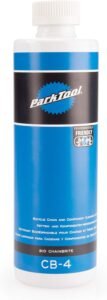
I see the pitch as a two-part coating system: nano ceramic boron nitride platelets plus micron fluoropolymer particles. Together, they’re meant to lay down a slippery film that “builds ceramic coating on frictional surfaces” and “greatly reduces drivetrain friction.” I like this approach when I’ve already cleaned the chain well, because contamination blocks any coating from bonding consistently. I’ll usually prep with Park Tool Chainbrite and apply in thin, fully-cured layers.
How I get the best results
I stick to a simple process:
- Degrease, rinse, and dry completely
- Apply one drop per roller, then backpedal to distribute
- Wipe excess to avoid grit pickup
Check current pricing and availability at Amazon here!
Best Use Cases (Dry vs. Wet Conditions)
I treat this as a dry-condition chain lube first. It excels on dusty roads and dry singletrack because it goes on clean and resists that gritty paste that forms when oil and trail dust mix. I like to prep the drivetrain with a biodegradable chain cleaner, let it fully dry, then apply a light coat and wipe the outer plates.
Dry, dusty rides (primary target)
Here’s how I get the best results in dry conditions:
- Apply one small drop per roller, then backpedal to work it in.
- Wait 5–10 minutes, then wipe the chain until it looks almost dry.
- Reapply after long, dusty days or once the chain starts sounding dry.
- Use a stable repair stand to keep application consistent and mess-free.
Wet rides (works, with caveats)
Some riders say it holds up better than many dry lubes in light rain or damp roads. I still treat heavy rain and stream crossings as a reset. I’ll clean, dry, and re-lube after the ride. If I need fast chain service on the go, I pack quick-link pliers.
Check current pricing and availability at Amazon here!
Durability, Value, and Application Tips
I see mixed results on longevity because conditions vary and application habits matter. This lube can feel pricey if I apply it like a wet lube and expect week-long silence. It tends to reward consistency. Regular use helps “condition” the chain, and that repeated film buildup is where the ceramic-style smoothing effect starts to show up in real riding.
How I get better wear and value
I stick to a simple routine that cuts waste and keeps the drivetrain quiet:
- I start with a truly clean chain using a dedicated degreaser, then let it dry fully.
- I apply one small drop per roller, backpedal, and wipe the outer plates hard. Most “it didn’t last” complaints come from leaving excess on the outside.
- I reapply after wet rides or deep dust. For dry miles, I top up before the chain sounds gritty, not after.
- I use dry-lube habits: thin coats beat heavy ones.
- I pop the chain for deep cleaning with quick-link pliers.
- I keep bolts and clamps honest with a small torque wrench.
Check current pricing and availability at Amazon here!
Common Customer Complaints
Clogging at the nozzle comes up a lot in user feedback, and it can turn a quick lube job into a stop-and-go mess. I’ve seen reports describing clogs happening “every 2 drops,” which usually points to dried product at the tip or contamination from a dirty drivetrain.
How I reduce nozzle clogs in real use
A few small habits keep the flow consistent and cut down on wasted product:
I clean the chain first with a dedicated chain cleaner, then let it dry fully before lubing.
I wipe the nozzle tip after each use and store the bottle upright with the cap snug.
I apply smaller, slower drops while backpedaling, then wipe off excess immediately.
I deep-clean the drivetrain when needed on a stable repair stand so grit doesn’t get pulled into the applicator.
I use quick-link pliers for off-bike chain cleaning, and I reinstall the cassette with a cassette tool kit and finish bolts with a torque wrench.
If I want a low-fuss alternative for dry conditions, I rotate in a dry lube option.
Check current pricing and availability at Amazon here!
Keywords / Notable Features
I like this 4oz wax-based bicycle chain lubricant for riders who want a fast-feeling drivetrain without the greasy mess. It blends ceramic wax with ceramic boron nitride and a fluoropolymer package, which targets a low coefficient of friction and helps the chain run quiet and smooth. I reach for it when I want drivetrain cleanliness to stay high between washes, especially in dry and dusty conditions where wet lubes can turn into grinding paste.
How I use it for clean, quiet miles
I stick to a simple routine to get the best results:
Deep-clean the chain first with a bio chain cleaner, then let it dry fully.
Apply one drop per roller, backpedal, and wipe the outer plates hard so wax stays where it matters.
Let it cure before riding; longer cure time usually means a quieter chain.
Keep a master link handy; I use quick link pliers for easier deep cleans.
Pair it with a dry-lube approach like this dry lube guide if I’m optimizing for dust control.
Check current pricing and availability at Amazon here!
Disclosure: As an Amazon Associate, I earn from qualifying purchases.

I’m a computer engineer, musician, cyclist, and dabbling in photography.