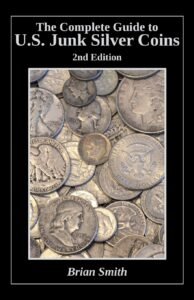
The Complete Guide to U.S. Junk Silver Coins, 2nd Edition is a compact, bench-side reference that helps you identify and value circulation silver. You focus on pre-1965 U.S. dimes, quarters, and half dollars. These coins usually trade on metal value, yet standout dates, mintmarks, and higher-grade pieces can add collector upside.
You keep the book grounded in shop reality. You cover fast workflows for sorting mixed lots. You price face-value bags against spot and account for wear. You also verify authenticity with simple measurements and quick tests. Updated material adds Canadian junk silver coverage and clear steps for separating U.S. silver from modern base-metal coinage.
Key takeaways
- Scope: You focus on 1964-and-earlier U.S. dimes, quarters, and half dollars (usually 90% silver). You value them mainly for melt, with a few collectible exceptions.
- Pricing method: You price coins as face-value lots tied to spot, then adjust for wear and any premium dates or mintmarks.
- Condition matters: You treat condition and damage as real resale factors. Slicks, bent coins, and cleaned pieces often need discounts even if melt stays similar.
- Anti-counterfeit checks: You rely on practical verification: weight, diameter, edge reeding, plus comparing ring and feel to known genuine coins.
- Expanded coverage: The 2nd Edition adds new chapters, including Canadian junk silver guidance and tips for separating U.S. silver from modern U.S. base-metal coinage.
What the Book Covers (Junk Silver Basics)
I frame junk silver as U.S. dimes, quarters, and half dollars struck in 1964 and earlier, when circulating coinage still carried 90% silver. I keep the focus practical: these coins trade for metal value first, yet they still carry history and potential collector upside when condition, dates, or mintmarks stand out. I also explain why stackers like them for recognizable, small-denomination silver that’s easy to buy, sell, and barter in pieces.
Key takeaways I present for stackers and collectors
I break the basics into a few working ideas that help me buy smarter:
- What counts: Roosevelt and Mercury dimes, Washington and Standing Liberty quarters, and Franklin and Walking Liberty half dollars (1964 and earlier).
- Why they matter: fractional silver with broad market acceptance and simple authentication compared with many private rounds.
- How pricing works: I treat purchases as face value bags priced off spot, then adjust for wear and any premium dates.
- What to watch: slicks, bent coins, and cleaned pieces that can hurt resale and collector appeal.
I keep reference shopping separate with a quick note that disconnected items like a digital kitchen scale can help weigh bulk lots.
Check current pricing and availability at Amazon here!
Silver Content and Real-World Value
I judge U.S. “junk silver” by metal first, then trust but verify with the coin type. Silver content spans a wide range: 35% for war nickels, 40% for some Kennedy half dollars, and 90% for most pre-1965 dimes, quarters, and halves. That spread changes melt value fast, so I keep a simple reference handy and confirm dates on the spot.
Wear, condition, and what I pay
I treat circulated coins as bullion with a history. Wear removes metal, so real silver weight can land below the textbook figure, especially on heavily worn dimes and quarters. I also watch for damage that hurts liquidity, even if melt stays similar. Here’s how I adjust in real deals:
- I pay closest to spot for clearly dated, average-circulated 90% coins with sharp rims.
- I discount slick, dateless, or bent pieces since buyers balk and weighing takes longer.
- I separate 40% halves and 35% nickels so I don’t overpay by mixing them into 90% lots.
- I confirm authenticity with magnet, ring/feel, and quick scale checks when a lot looks too clean.
For a fast at-home cross-check, I’ll even keep a digital kitchen scale nearby.
Check current pricing and availability at Amazon here!
Counterfeits, Buying Strategies, and Selling Guidance
I focus on three skills: spotting fakes fast, buying with discipline, and selling with a plan. I like using simple definitions and quick-reference charts so I can act quickly without guessing.
Practical checks and tactics
I rely on a short routine before I buy or sell:
- Authenticate: confirm weight, diameter, edge reeding, and a crisp ring test; I compare suspect coins to a known genuine piece.
- Buy smart: track silver content per $1 face, insist on clear photos, and prefer lots with transparent premiums and return options.
- Sell well: set target premiums, avoid panic selling, and choose local dealers or online venues based on fees and payout speed.
For off-topic breaks, I’ll skim a digital kitchen scale listing to think about weigh-ins.
When I decide to sell
I sell when premiums spike, my allocation drifts, or liquidity matters more than upside. Check current pricing and availability at Amazon here!
What’s New in the Updated 2nd Edition
I like that the Updated 2nd Edition (published March 20, 2016) expands beyond classic U.S. junk silver and adds practical context I can use when shopping, sorting, or stacking.
New chapters and expanded coverage
Here’s what I get in the update:
- New chapters that broaden the scope past the usual U.S. silver issues.
- Coverage of Canadian junk silver coins, which helps when I run into mixed lots or cross-border pricing.
- Guidance on U.S. base metal coinage, so I can separate silver value from face-value distractions.
I also keep a simple workflow: verify dates and mintmarks first, then estimate silver content, then compare premiums across sellers.
Check current pricing and availability at Amazon here!
Format, Length, and Quick Reference Use
I like this guide because it stays compact and practical. At 160 pages in English, it reads fast and still covers the essentials for day-to-day coin work. The trim size matters in real use. At 5.5 x 0.37 x 8.5 inches and 6.9 ounces, it slips into a bag or desk drawer without adding bulk, so I can grab it during a buy, a sort, or a quick terminology check.
How I use it in real coin checks
I treat it like a bench-side reference, not a sit-down textbook. A few simple habits make it pay off:
- I keep it near my scale and magnet so I can confirm terms and common identifiers while I’m checking pieces.
- I use it as a vocabulary refresher before meeting sellers, which helps me stay consistent when discussing junk silver lots.
- I flip to the relevant section during sorting sessions, which keeps my workflow moving without screen distractions.
- I pair it with a small notebook for quick notes on dates, mint marks, and purchase context.
Check current pricing and availability at Amazon here!
Key Terms and Facts Highlighted
Quick definitions I rely on when buying
I use a few load-bearing terms to keep purchases consistent and avoid bad assumptions. Here’s how I frame them in practice:
- Junk silver: Circulation coins valued mainly for silver content, not rarity.
- 1964 and earlier: A fast cutoff I use for most U.S. dimes, quarters, and half dollars that are typically 90% silver.
- 35%–90% silver: I treat 90% as the standard bag mix, while 35% often points to specific wartime issues.
- Wear and condition: I expect less silver per “face value” as wear increases, so I stick to clear, consistent grading language.
- Counterfeits: I verify weight, diameter, edge details, and sound; I also compare against a known genuine coin before scaling a buy.
- Buy and sell wisely: I track melt value, premium, and liquidity, then choose the easiest-to-move denominations.
- Canadian junk silver: I separate it from U.S. lots and confirm date ranges and fineness before pricing.
- U.S. base metal coinage: I don’t confuse modern clad with silver; I keep a reference list handy.
For an odd but handy bookmark, I’ll park notes beside this digital kitchen scale listing since a scale matters for checks.
Check current pricing and availability at Amazon here!
Overall Impression and Ratings
I see this book as a practical pick for stacking and sorting U.S. junk silver. A 4.4-star average across 55 reviews signals dependable value and consistent readability. The writing keeps the history tight, then shifts fast into decisions I can use at a coin shop, show, or online listing.
How it reads in real use
I like that it supports quick lookups without losing the bigger picture. I’d expect the strongest payoff if I want:
- Clear background context that explains why specific dates and types matter
- Actionable buying and evaluating habits I can apply immediately
- Chart-friendly reference material for faster identification and comparison
Check current pricing and availability at Amazon here!
Disclosure: As an Amazon Associate, I earn from qualifying purchases.

From: Burbank, California. Entertainment blogger who owns more streaming subscriptions than furniture. Reviews content accessories and media ecosystems.