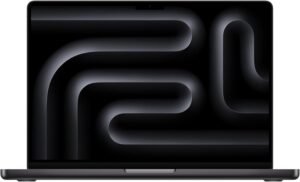
2026 MacBook Pro M5 Pro: AI Powerhouse, 2TB, Wi‑Fi 7
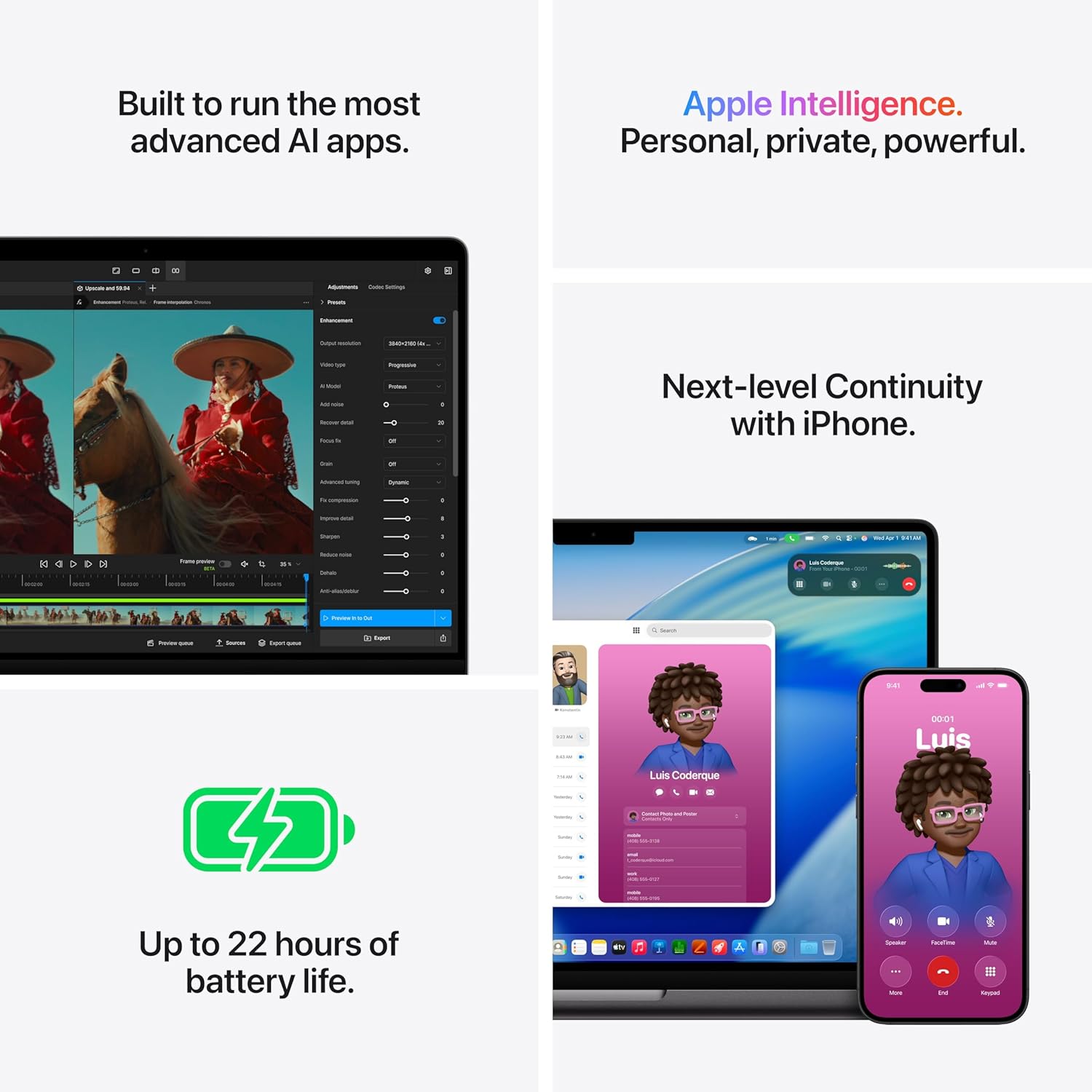
The Apple 2026 14-inch MacBook Pro with M5 Pro (15-core CPU, 16-core GPU), 24GB unified memory, and a 2TB SSD delivers impressive raw speed and a standout 14.2-inch Liquid Retina XDR display, but the core argument still holds: the premium price often runs ahead of the real-world gains across many pro workflows. Apple’s “Built for AI” message lands best for people who run steady on-device LLM inference, local fine-tuning, or other Neural Engine-heavy work; for video, photo, and coding users, the bumps can be meaningful without feeling like a true leap.
Key takeaways
M5 Pro performance stays fast and stable during heavy exports, big multitasking days, and demanding pro apps, yet the value is still questionable at this price tier.
“Built for AI” matters most in a narrower set of workflows unless you regularly run on-device LLM inference or other AI-heavy compute.
The 14.2-inch Liquid Retina XDR display (up to 1600 nits peak, 1,000,000:1 contrast) is the main selling point for HDR and color-critical work.
Upgrade costs remain the pain point: 24GB memory and 2TB storage can feel like expensive headroom, especially if you can lean on a smart external SSD setup.
Pro I/O and connectivity stay strong: three Thunderbolt 5 ports, MagSafe 3, SDXC, HDMI, Wi‑Fi 7, Bluetooth 6, plus support for up to three external displays.
Powerful on paper, questionable real-world value (2 stars)
The M5 Pro configuration reads like a dream: a 15‑core CPU and 16‑core GPU that chew through big exports, heavy multitasking, and demanding apps without drama. I can’t fault the raw speed. The value problem shows up the moment I look at what this tier typically costs versus what most pros actually gain day to day.
Apple leans hard on “Built for AI” here, yet the payoff stays narrow unless I’m consistently running on-device LLM inference, experimenting with local fine-tuning, or pushing other workloads that truly tap the Neural Accelerator. For video editing, photo work, coding, and general creative stacks, performance improves, but it rarely feels like a step-change that justifies the premium.
Where the upgrade premium stings
A few areas make the upgrade-to-value ratio feel off at this spec level:
Unified memory:24GB is strong, but I often hit a point where 18–24GB “feels fine,” and I’m paying extra without solving a real bottleneck.
Storage pricing:2TB is great, yet the upcharge can feel steep compared with relying on fast external SSDs.
AI positioning:“AI-ready” doesn’t translate into wins unless my workflow is AI-heavy every week.
I’d rather pair this laptop with a comfortable productivity mouse than overpay for internal upgrades that won’t move my needle.
Apple 2026 MacBook Pro Laptop with Apple M5 Pro chip with 15-core CPU and 16-core GPU: Built for AI, 14.2-inch Liquid Retina XDR Display, 24GB Unified Memory, 2TB SSD, Wi-Fi 7; Silver
This image is property of Amazon.com.
Excellent XDR display and portability, but value concerns remain
That 14.2-inch Liquid Retina XDR panel steals the show. Apple rates it for up to 1600 nits peak brightness, 1000 nits sustained brightness, plus a 1,000,000:1 contrast ratio, so HDR highlights pop and shadow detail stays clean. I rely on it for color-critical edits and quick grading without hauling an external monitor.
Apple 2026 MacBook Pro Laptop with Apple M5 Pro chip with 15-core CPU and 16-core GPU: Built for AI, 14.2-inch Liquid Retina XDR Display, 24GB Unified Memory, 2TB SSD, Wi-Fi 7; Silver
This image is property of Amazon.com.
Loaded ports and modern connectivity
I like that Apple finally treats I/O like a pro priority. Three Thunderbolt 5 ports handle fast storage, docks, and charging flexibility. MagSafe 3 keeps power quick-release, while SDXC and HDMI cut dongles out of my bag. A proper headphone jack still matters for low-latency monitoring and reliable wired audio.
What I reach for most day to day
Here’s how these ports and radios show up in real work:
SDXC slot: I dump camera cards fast, then start edits immediately.
HDMI: I plug into conference room displays without adapters.
Wi‑Fi 7 + Bluetooth 6: I get cleaner wireless in busy offices.
Up to three external displays (with M5 Pro): I run a true multi-monitor desk.
Apple 2026 MacBook Pro Laptop with Apple M5 Pro chip with 15-core CPU and 16-core GPU: Built for AI, 14.2-inch Liquid Retina XDR Display, 24GB Unified Memory, 2TB SSD, Wi-Fi 7; Silver
This image is property of Amazon.com.
Strong camera/audio and macOS ecosystem—expected at this price
I count the 12MP Center Stage camera as genuinely call-ready, and the three-mic array keeps my voice clear without constant gain hunting. Audio also hits a premium bar: the six-speaker setup delivers real width, clean dialog, and convincing Spatial Audio with Dolby Atmos for movies and mixed music.
Where it shines in daily use
A few areas consistently stand out for me:
Video calls look natural, with Center Stage keeping framing steady when I move.
Mic pickup stays crisp in typical rooms, so I don’t rush for an external mic.
Ecosystem handoff feels smooth alongside gear I already use, like AirPods Pro 3.
Apple 2026 MacBook Pro Laptop with Apple M5 Pro chip with 15-core CPU and 16-core GPU: Built for AI, 14.2-inch Liquid Retina XDR Display, 24GB Unified Memory, 2TB SSD, Wi-Fi 7; Silver
This image is property of Amazon.com.
Bottom line: polished and fast, but priced like a flex
This 14-inch MacBook Pro configuration nails the brief I’d expect from Apple’s top tier: M5 Pro speed, 24GB unified memory, a roomy 2TB SSD, and an XDR panel that makes color work and HDR playback look exceptional. App launches stay instant, big libraries feel snappy, and the compact chassis still feels premium in daily carry.
Value is the sticking point. Pricing here reads like I’m paying extra for “Built for AI” messaging and spec headroom that many workflows won’t tap. If my day is mostly browser tabs, Office, light photo edits, and occasional 4K clips, I won’t feel a proportional jump versus lower-tier configs that already run cool and quick. That gap is why I land on a 2-star rating despite the polish.
Who this config actually fits
I’d put it in the cart for any of these use cases:
Heavy pro apps where sustained performance matters in a small laptop
Large local storage needs (video assets, RAW catalogs, dev environments)
Creators who’ll benefit from the XDR panel’s SDR/HDR brightness and contrast
People who already own premium peripherals like the MX Master 4 mouse and want a matching high-end mobile rig
Apple 2026 MacBook Pro Laptop with Apple M5 Pro chip with 15-core CPU and 16-core GPU: Built for AI, 14.2-inch Liquid Retina XDR Display, 24GB Unified Memory, 2TB SSD, Wi-Fi 7; Silver
This image is property of Amazon.com.
Disclosure: As an Amazon Associate, I earn from qualifying purchases.
Some of the links in this article are "affiliate links", a link with a special tracking code. This means if you click on an affiliate link and purchase the item, we will receive an affiliate commission.The item's price is the same whether or not there is an affiliate link. Regardless, we only recommend products or services we believe will add value to our readers.By using our affiliate links, you help support our Website, and we genuinely appreciate it.
From San Jose, California. Former IT support lead who has seen unspeakable things plugged into USB ports. Reviews electronics with zero patience for bad firmware.